Korean Vegetable Pancakes (Yachaejeon)
Learn how to make traditional Korean vegetable pancakes with seasonal ingredients and a crispy batter. Perfect for quick breakfasts or as an appetizer.
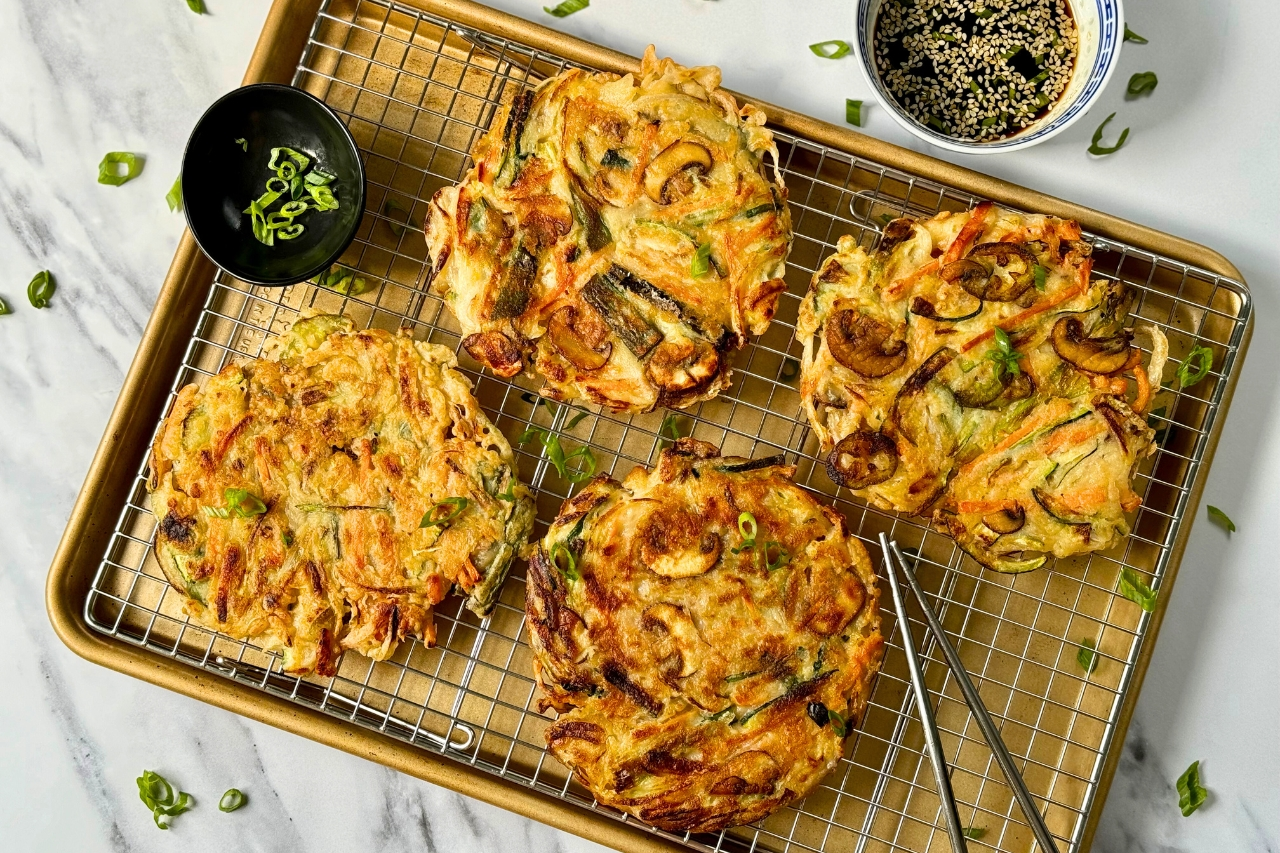
Korean Vegetable Pancakes, known as Yachaejeon, represent a cornerstone of Korean culinary tradition, offering a delightful interplay between crispy edges and tender, vegetable‑laden interiors. Whether you’re preparing a quick weeknight dinner, a weekend brunch with friends, or an impressive appetizer for guests, this recipe delivers authentic flavors with minimal fuss while maintaining the integrity of traditional techniques. In this comprehensive guide, we’ll walk through selecting the freshest seasonal vegetables, achieving the perfect batter consistency, and mastering the art of the golden flip. We will also address common pitfalls that lead to soggy or broken pancakes and share pro tips accumulated from Korean home cooks and restaurant chefs alike, ensuring your pancakes turn out restaurant‑quality every time.
Why You’ll Love This Korean Vegetable Pancakes
- Fast and flexible — use whatever vegetables are in your fridge or garden, making it the perfect clean‑out‑the‑fridge recipe.
- Crisp texture — a golden, crunchy exterior gives way to a soft, flavorful center in every bite.
- Traditional flavor — authentic Korean seasoning without complicated or hard‑to‑find ingredients.
- Healthy and balanced — packed with fiber, vitamins, and plant‑based goodness in every serving.
- One‑pan convenience — minimal cleanup after cooking, making it ideal for busy lifestyles.
- Great for leftovers — reheat in a skillet to bring back the crunch, or enjoy at room temperature.
Ingredients
- 1 cup (120 g) All‑purpose flour (Provides the base structure for the batter; can substitute rice flour for a crunchier texture.)
- 1 cup (240 ml) cold water (Cold water keeps the pancake light and prevents gluten overdevelopment.)
- 1 large egg (Helps bind the ingredients together and adds richness.)
- 1 medium zucchini (Julienned and lightly salted to remove excess moisture, preventing sogginess.)
- 1 medium carrot (Grated for natural sweetness, vibrant color, and added nutrition.)
- 3 stalks green onions (Sliced with white and green parts separated; whites for cooking, greens for garnish.)
- ½ red bell pepper (Cut into thin strips for a pop of color and subtle sweetness.)
- 2 tbsp soy sauce (Low‑sodium for seasoning the batter without making it overly salty.)
- 1 tsp toasted sesame oil (Adds a distinctive nutty aroma that defines Korean cuisine.)
- 3‑4 tbsp vegetable oil (High smoke point oil like canola or peanut for pan‑frying.)
- to taste salt (Season the vegetables and adjust batter flavor.)
- to taste black pepper (Freshly cracked for the best aromatic impact.)
Equipment
- Large mixing bowl for combining batter and vegetables
- Whisk or fork to break up flour lumps
- Box grater or mandoline for precise vegetable prep
- Non‑stick skillet (10‑12 inch) for even cooking
- Wide spatula to flip without breaking the pancake
- Paper towels to drain excess oil
- Measuring cups and spoons for accuracy
How to Make Korean Vegetable Pancakes
Step 1 — Prepare the vegetables
Wash all vegetables thoroughly under cold running water. Using a julienne peeler or sharp knife, cut the zucchini into uniform matchsticks; this ensures even cooking. Place them in a colander, sprinkle with a teaspoon of salt, and let sit for 5‑10 minutes. This critical step draws out excess water, preventing soggy pancakes. Meanwhile, grate the carrot using the large holes of a box grater, slice the green onions (keeping white and green parts separate), and cut the red bell pepper into thin strips. After the zucchini has rested, squeeze it gently but firmly in a clean kitchen towel or several layers of paper towel to remove as much released liquid as possible. Discard the liquid.
Step 2 — Make the batter
In a large mixing bowl, combine the flour, cold water, and egg. Whisk vigorously until you have a smooth, lump‑free batter that resembles heavy cream in consistency. If the mixture looks too thick, add a tablespoon of water at a time until it flows slowly off the whisk. Stir in the soy sauce and sesame oil, mixing just until incorporated. Taste a tiny amount and adjust seasoning with a pinch of salt and pepper. Avoid overmixing once the liquids are combined.
Step 3 — Incorporate the veggies
Add all the prepared vegetables to the batter. Using a silicone spatula, fold gently until every piece is evenly coated. Let the mixture rest for 5 minutes – this allows the flour to fully hydrate, the flavors to meld, and the vegetables to soften slightly. If the batter seems too thick after resting, stir in a teaspoon of water. The finished mixture should hold its shape when scooped but still be pourable.
Step 4 — Heat the skillet
Place a non‑stick skillet or well‑seasoned cast‑iron pan over medium‑high heat. Add 2‑3 tablespoons of vegetable oil and swirl to coat the entire surface. The oil is ready when a drop of batter sizzles immediately upon contact and the edges appear to dance. Avoid overheating, which can burn the sesame oil and leave a bitter taste before the inside cooks.
Step 5 — Fry the pancake
Pour about half of the batter (approximately ½ cup) into the skillet, spreading it gently with the back of a ladle or a measuring cup to form a circle roughly ½‑inch thick. Cook undisturbed for 2‑3 minutes until the edges turn golden brown, appear lacy, and the bottom is deeply crisp. Slide a wide spatula fully under the pancake, ensuring it’s not stuck, and with a confident, swift motion, flip it over. Cook the second side for another 2‑3 minutes until golden and cooked through.
Step 6 — Drain and keep warm
Transfer the cooked pancake to a plate lined with paper towels to absorb excess oil. If making multiple pancakes, you can keep the first ones warm in a 200°F (95°C) oven while you fry the remaining batter. Add a little more oil to the pan between batches, ensuring the surface stays well‑greased to prevent sticking.
Step 7 — Serve with dipping sauce
While the pancakes fry, whisk together the dipping sauce: 2 tablespoons soy sauce, 1 teaspoon rice vinegar, ½ teaspoon sesame oil, a pinch of sugar, and a few crushed red‑pepper flakes. Drizzle lightly over each pancake or serve on the side for dipping. Garnish with the reserved green onion tops and a generous sprinkle of toasted sesame seeds. Serve immediately for the best texture, as the pancakes lose crispness as they cool.
Pro Tips
Dry the zucchini thoroughly – this cannot be overstated; excess moisture is the enemy of crispness and can lead to a gummy interior.
Use a properly pre‑heated pan – the initial sizzle sets the crust and prevents the pancake from absorbing too much oil.
Don’t overcrowd the skillet – cook one pancake at a time for even browning and easier flipping.
Adjust batter thickness – thinner batter yields crispier pancakes; thicker gives a chewier, more substantial bite.
Finish with a drizzle of sesame oil just before serving for an extra aroma boost that enhances the traditional flavor profile.
Experiment with vegetables seasonally – in spring, add asparagus or pea shoots; in winter, try shredded cabbage or mushrooms.
Variations & Substitutions
Seafood version (Haemul‑jeon): Add small shrimp, squid rings, or chopped crab meat to the batter for a surf‑and‑turf twist popular in coastal regions of Korea.
Spicy gochujang kick: Mix 1 teaspoon of gochujang (Korean chili paste) into the dipping sauce or directly into the batter for a fiery upgrade.
Cheesy fill: Sprinkle shredded mozzarella or cheddar over the pancake during the last minute of cooking for a fusion take that kids love.
Gluten‑free adaptation: Replace wheat flour with a gluten‑free all‑purpose blend or 100% rice flour for a celiac‑friendly version.
Kimchi addition: Fold ½ cup finely chopped, well‑drained kimchi into the batter for a tangy, probiotic boost.
Storage & Reheating
Allow pancakes to cool to room temperature, then stack them with parchment paper or wax paper between layers to prevent sticking. Store in an airtight container in the refrigerator for up to 2 days. To reheat, place in a hot skillet for 1‑2 minutes per side; this restores the crisp exterior far better than a microwave. Avoid freezing, as the texture becomes unpleasantly soft upon thawing.
What to Serve With Korean Vegetable Pancakes
Pair these pancakes with our Korean Kimchi Fried Rice for a hearty, flavor‑packed meal that showcases traditional Korean tastes.
Our Easy Korean Bibimbap makes an excellent companion dish for a balanced, nutritious dinner.
For a traditional side, try Korean Mung Bean Pancake for another variation on Korean jeon (pancakes).
Complete the experience with Quick Cucumber Salad for a refreshing crunch that cuts through the richness of the pancakes.
Nutrition Information
Per serving (2 pancakes): approximately 210 kcal, 6 g protein, 30 g carbohydrates, 7 g fat. Values vary with oil absorption and any added protein or toppings.
Frequently Asked Questions
Can I use a different flour?
Yes, you can substitute rice flour for a crunchier texture, or use a gluten‑free all‑purpose blend if you avoid wheat. Keep the ratio the same for best results.
How do I keep the pancakes from falling apart?
Ensure the batter isn’t too thin and that the vegetables are well‑drained. A little egg helps bind everything together, and don’t skip the resting step.
Can I bake these instead of frying?
You can bake at 425°F (220°C) on a parchment‑lined sheet for about 15 minutes per side, flipping once, but the texture will be less crispy than pan‑fried and more cake‑like.
What dipping sauce pairs best?
A simple mix of soy sauce, rice vinegar, sesame oil, and a touch of sugar is classic. Add gochujang for heat or a squeeze of lime for brightness.
Can I make the batter ahead of time?
It’s best to cook the pancakes soon after mixing, as the vegetables will continue to release water and thin the batter. If you must prep ahead, keep the batter and vegetables separate until ready to cook.
Are these pancakes vegan?
Replace the egg with a flax egg (1 tbsp ground flaxseed + 3 tbsp water, let sit 5 minutes) and use a plant‑based milk or extra water instead of water for a vegan version.
Why are my pancakes soggy in the middle?
The most common cause is excess moisture from the vegetables. Be sure to salt and drain the zucchini, squeeze it dry, and don’t overload the batter with watery vegetables.
Korean Vegetable Pancakes (Yachaejeon) are a versatile, crowd‑pleasing dish that brings authentic Korean flavors to your table in under thirty minutes. With endless vegetable combinations, simple pantry ingredients, and a foolproof batter technique, you’ll find yourself returning to this recipe again and again, whether for a quick solo meal or to impress dinner party guests. Give it a try, experiment with your favorite seasonal produce, and don’t forget that perfect dipping sauce! Your family and friends will be asking for seconds and the recipe card. Happy cooking!