Gochujang Glazed Meatloaf
Classic meatloaf with a sweet-spicy Korean gochujang glaze. The umami-packed twist your weeknight dinner needs. Get the recipe.
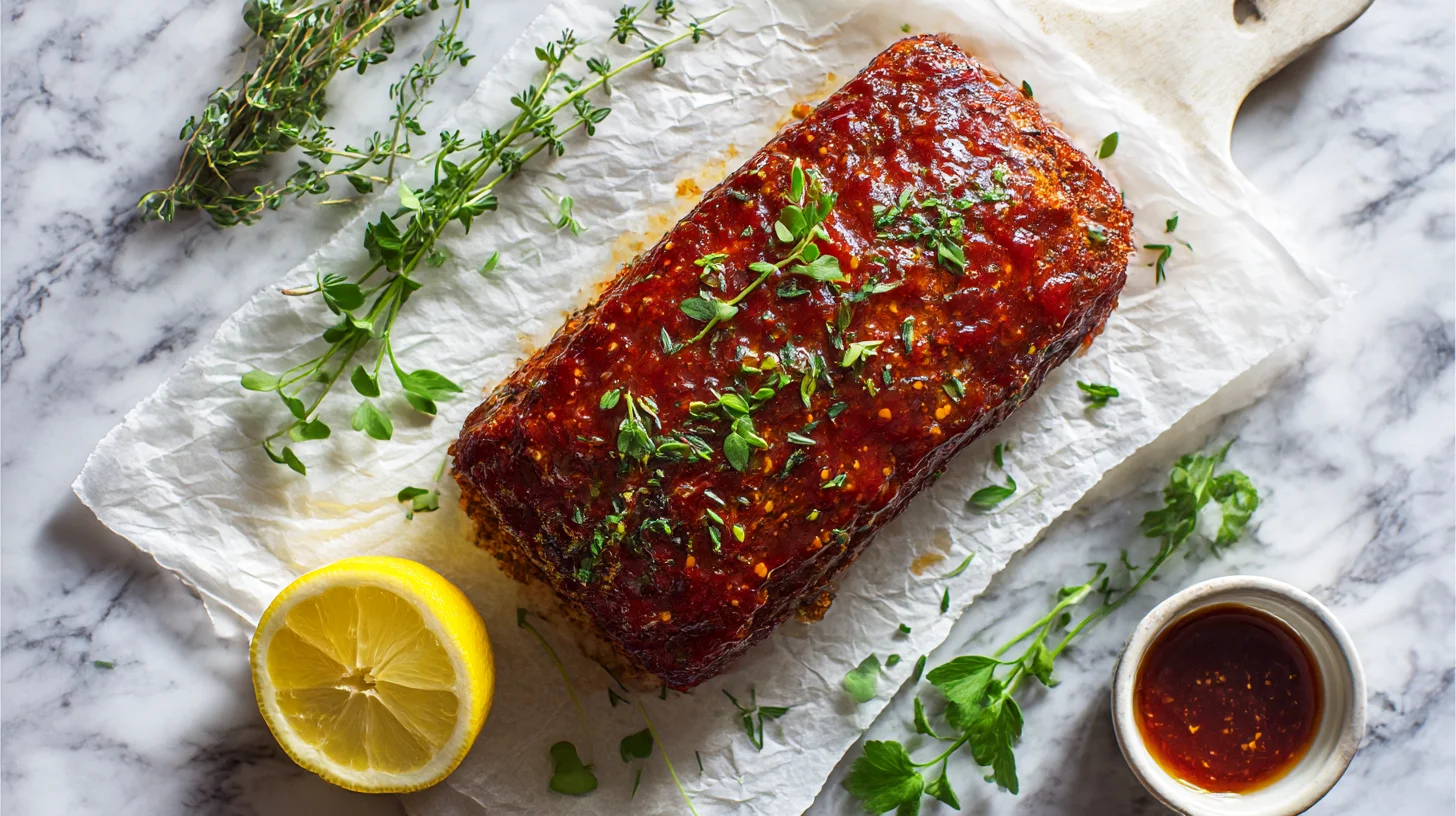
Gochujang Glazed Meatloaf takes the most American of comfort foods and gives it a Korean-inspired glaze that’s sweet, spicy, and deeply savory. Gochujang — the fermented chili paste that’s been a Korean pantry staple for centuries — gets mixed with soy sauce, brown sugar, and rice vinegar to create a glaze that caramelizes into a sticky, lacquered crust. The meatloaf underneath is classic: tender, well-seasoned, and held together with a panade. The result is a dish that feels both familiar and completely new.
Why You’ll Love This Gochujang Meatloaf
- Umami bomb — gochujang adds a depth of flavor that regular ketchup glaze can’t touch.
- Sticky, caramelized crust — the glaze turns into a lacquered shell that shatters slightly when you cut in.
- Weeknight-friendly — 20 minutes of hands-on time, then the oven does the work.
- Great leftovers — cold meatloaf sandwiches the next day are a legitimate reason to make this.
Ingredients
Gochujang is sold in small red tubs in the Asian aisle of most grocery stores. The most common brand is Chung Jung One. It keeps practically forever in the fridge. Once you start cooking with it, you'll find yourself adding it to everything — marinades, stir-fries, salad dressings, even mac and cheese.
- 2 lb ground beef (80/20)
- 1 cup panko breadcrumbs
- 1/2 cup whole milk
- 2 large eggs, beaten
- 1 medium yellow onion, finely diced
- 3 cloves garlic, minced
- 2 tbsp soy sauce
- 1 tbsp Worcestershire sauce
- 1 tsp kosher salt
- 1/2 tsp black pepper
- 3 tbsp gochujang (Korean chili paste)
- 2 tbsp brown sugar
- 1 tbsp rice vinegar
- 1 tbsp soy sauce
- 1 tsp sesame oil
- Sesame seeds and sliced scallions for garnish
Equipment
- 9×5-inch loaf pan or sheet pan
- Large mixing bowl
- Small saucepan
- Instant-read thermometer
- Pastry brush (for glazing)
How to Make Gochujang Meatloaf
Step 1 — Make the panade (10 minutes)
Combine the panko and milk in a large bowl. Let sit for 10 minutes until the breadcrumbs absorb the milk and form a paste. This is the key to a tender, moist meatloaf. This step matters because rushing it is the most common mistake home cooks make — take the extra minute and the result will show it.
Step 2 — Build the meat mixture (5 minutes)
Add the ground beef, eggs, onion, garlic, soy sauce, Worcestershire, salt, and pepper to the panade. Mix with your hands until just combined — about 30 seconds of gentle squeezing. Do not overmix or the meatloaf will be dense and rubbery. This step matters because rushing it is the most common mistake home cooks make — take the extra minute and the result will show it.
Step 3 — Shape the meatloaf (5 minutes)
Transfer to a sheet pan and shape into a loose loaf — about 9x5x3 inches. Don’t pack it tight. Let it rest while you make the glaze and preheat the oven to 350°F. This step matters because rushing it is the most common mistake home cooks make — take the extra minute and the result will show it.
Step 4 — Make the gochujang glaze (3 minutes)
Combine the gochujang, brown sugar, rice vinegar, soy sauce, and sesame oil in a small saucepan. Warm over low heat, stirring, until the sugar dissolves and the mixture is smooth — about 2 minutes. It should be the consistency of ketchup. This step matters because rushing it is the most common mistake home cooks make — take the extra minute and the result will show it.
Step 5 — Bake and glaze (60-70 minutes)
Bake the meatloaf at 350°F for 30 minutes. Remove from the oven and brush a generous layer of glaze over the top and sides. Return to the oven and bake another 20 minutes. Apply a second coat of glaze and bake a final 10-15 minutes until the internal temperature reaches 160°F. The glaze should be dark, sticky, and caramelized. This step matters because rushing it is the most common mistake home cooks make — take the extra minute and the result will show it.
Step 6 — Rest and serve (10 minutes)
Let the meatloaf rest for 10 minutes before slicing. This is not optional — cutting into it immediately will cause all the juices to run out. Garnish with sesame seeds and sliced scallions. This step matters because rushing it is the most common mistake home cooks make — take the extra minute and the result will show it.
Pro Tips
Don’t skip the panade. The milk-soaked breadcrumbs are what separate a tender, moist meatloaf from a dry, crumbly one.
Glaze in layers. Three thin coats give you a thicker, more caramelized crust than one thick coat. Each layer builds on the last.
Use your hands to mix. A spoon or spatula can’t feel when the mixture is just combined. Your hands are the best tool — mix until you don’t see separate ingredients, then stop.
Rest before slicing. 10 minutes minimum. The proteins need time to reabsorb the juices.
Gochujang varies by brand. Some are sweeter, some are spicier. Taste your glaze before applying and adjust — add more sugar if it’s too spicy, more vinegar if it’s too sweet.
Variations & Substitutions
Spicier glaze
Add 1 teaspoon of sambal oelek or sriracha to the glaze for extra heat. You can also add 1/2 teaspoon of cayenne to the meat mixture.
Ground pork version
Use 1 lb ground beef and 1 lb ground pork for a richer, more tender meatloaf. The pork adds fat and sweetness that pairs beautifully with the gochujang.
Rice bowl
Crumble leftover meatloaf over steamed rice with a fried egg, kimchi, and a drizzle of the gochujang glaze. It’s one of the best leftover remixes there is.
Storage & Reheating
Refrigerator: Store sliced meatloaf in an airtight container for up to 4 days. Spoon any extra glaze over the top to keep it moist.
Freezer: Wrap individual slices in plastic, then foil. Freeze up to 3 months. Thaw overnight in the fridge.
Reheating: Cover slices with extra glaze, cover with foil, and warm at 300°F for 15 minutes. The microwave works but won’t re-crisp the glaze.
What to Serve With Gochujang Meatloaf
Serve with garlic mashed potatoes — the classic pairing. The gochujang glaze and creamy potatoes are a perfect match.
For a Korean-inspired spread, add quick-pickled vegetables and steamed rice.
Pair with a simple green salad with sesame dressing to cut through the richness.
Cold slices make incredible sandwiches on soft white bread with mayo and pickles.
For a deeper dive into gochujang and Korean cooking, see Maangchi’s guide to gochujang.
Nutrition Information
Per serving (1/8 of loaf, with glaze): approximately 365 calories, 28g protein, 20g carbohydrates, 20g fat, 1g fiber. Values are estimates.
Frequently Asked Questions
What if I can't find gochujang?
Check the Asian aisle of your grocery store or order online. In a pinch, mix 2 tablespoons sriracha with 1 tablespoon miso paste and 1 teaspoon sugar — it’s not the same, but it captures some of the sweet-spicy-umami profile.
Can I make this in a loaf pan?
Yes, but a sheet pan gives you more surface area for the glaze to caramelize. If using a loaf pan, increase the initial bake time (before glazing) to 40 minutes.
Is this very spicy?
Gochujang is more savory and sweet than purely hot. The glaze has a gentle warmth that builds. If you’re sensitive to spice, reduce the gochujang to 2 tablespoons and increase the brown sugar.
Can I make the glaze ahead?
Yes. The glaze keeps in the fridge for up to 2 weeks. Rewarm it gently before brushing on the meatloaf.
This Gochujang Glazed Meatloaf is the recipe that makes people say wait, there’s gochujang in this? The sweet-spicy-umami glaze transforms a humble weeknight dinner into something memorable. Once you try it, you’ll never go back to ketchup glaze. Save this post — it’s about to become your new go-to meatloaf.