Honey Garlic Salmon 🐟: 20-Minute Healthy Dinner
Looking for a nutritious, elegant dinner that comes together in just 20 minutes? This honey garlic salmon is sweet, savory,…
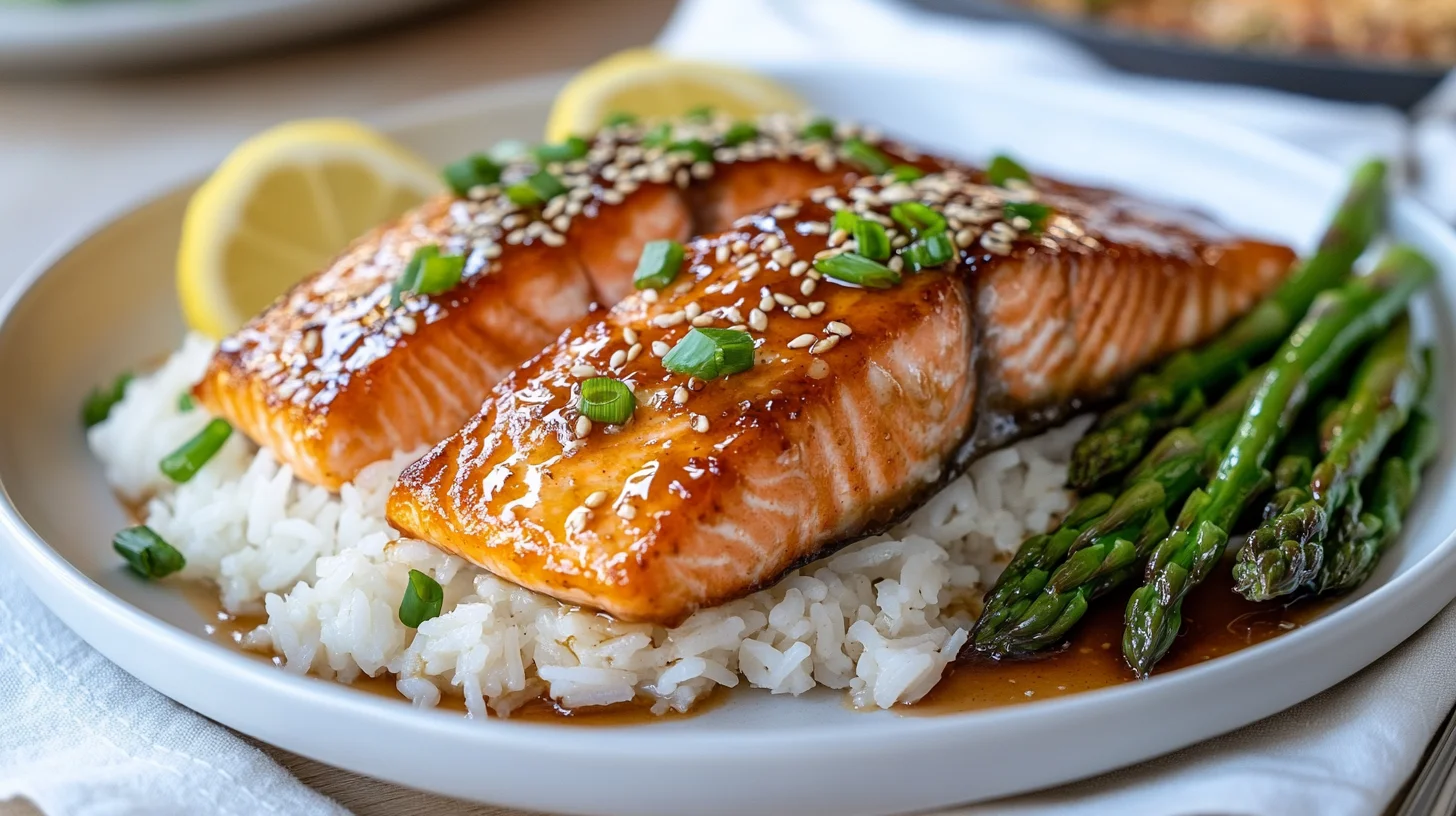
Looking for a nutritious, elegant dinner that comes together in just 20 minutes? This honey garlic salmon is sweet, savory, and so simple it might become your new weeknight staple. It’s the perfect “micro-makeover” — a small change that delivers restaurant-quality results with minimal effort. The glaze caramelizes beautifully, creating a sticky, glossy coating that complements the flaky, moist salmon. Serve with steamed vegetables and rice for a complete meal that feels indulgent yet takes less time than ordering takeout.
What Is Honey Garlic Salmon?
Honey garlic salmon is a pan-seared salmon dish finished with a glossy sauce made from honey, soy sauce, garlic, and a touch of ginger. The sauce thickens slightly as it simmers, creating a flavorful coating that clings to the tender fish. This dish balances sweet, savory, and umami notes, making it appealing to both adults and children. It’s a versatile recipe that can be adapted to different cooking methods (baking, air frying) and protein substitutions (tofu, chicken).
Ingredients (Serves 2)
For the Salmon:
- 2 salmon fillets (6–8 oz each), skin-on or skinless
- 1 tablespoon olive oil
- 1/2 teaspoon kosher salt
- 1/4 teaspoon black pepper
For the Honey Garlic Sauce:
- 3 tablespoons honey (local if possible)
- 2 tablespoons low-sodium soy sauce or tamari (gluten-free option)
- 2 tablespoons fresh lemon juice
- 3 garlic cloves, finely minced
- 1 teaspoon grated fresh ginger
- 1 teaspoon sesame oil (optional)
- 1/4 teaspoon red pepper flakes (optional)
- 2 tablespoons water
- 1 teaspoon cornstarch (optional thickener)
For Garnish:
- Sesame seeds
- 2 green onions, thinly sliced
- Lemon wedges
- Fresh cilantro or parsley
Step-by-Step Instructions
- Prep the salmon: Pat fillets dry with paper towels. Season with salt and pepper.
- Make the sauce: Whisk honey, soy sauce, lemon juice, garlic, ginger, sesame oil, and red pepper flakes in a small bowl. If thickening, mix cornstarch with water separately.
- Sear the salmon: Heat olive oil in a large skillet over medium-high. Place salmon skin-side down (if skin-on) and cook 4–5 minutes until crispy and golden. Flip and cook another 3–4 minutes until internal temperature reaches 125–130°F. Transfer to a plate.
- Prepare the glaze: Reduce heat to medium-low. Pour sauce into the skillet (wipe pan if needed). If using cornstarch slurry, stir it in. Simmer 2–3 minutes until glossy and slightly thickened.
- Finish: Return salmon to skillet, spooning glaze over. Cook 1–2 minutes to heat through and coat.
- Serve: Transfer to plates, drizzle extra glaze, and garnish with sesame seeds, green onions, and lemon wedges. Serve with rice or vegetables.
Tips for Perfect Results
- Dry the salmon: Moisture prevents a good sear. Pat thoroughly.
- Don’t overcrowd: Cook in batches if necessary to avoid steaming.
- Control heat: Honey can burn; keep heat at medium-low when making the glaze.
- Use a thermometer: Aim for 125–130°F for medium-rare; carryover will add ~5°.
- Adjust sweetness: Reduce honey to 2 tbsp if preferred, or substitute maple syrup.
Delicious Variations
- Spicy: Add extra red pepper flakes or a teaspoon of sriracha.
- Citrus twist: Use orange juice and zest instead of lemon.
- Creamy: Stir in 2 tbsp heavy cream at the end.
- Sesame crust: Press sesame seeds onto salmon before searing.
- Baked: Bake at 400°F for 12–15 min, then glaze and broil 2 min.
- Air fryer: Air fry 8–10 min at 400°F, then brush with glaze and air fry 1–2 min.
- Protein swap: Works with chicken thighs or tofu; adjust cooking times.
Storage and Reheating
Store leftovers in an airtight container in the fridge for up to 2 days. Reheat gently in a skillet over low heat with a splash of water or broth. Microwave in 30-second bursts, stirring, to avoid overcooking.
Nutritional Benefits
Salmon is rich in high-quality protein, omega-3 fatty acids (heart and brain health), vitamin D, selenium, and B vitamins. This dish is naturally gluten-free when using tamari and provides a balanced mix of macros. The honey adds quick energy, while garlic and ginger offer anti-inflammatory benefits.
More Quick Salmon Ideas
Explore our salmon recipe collection for more ways to enjoy this nutritious fish. Try our quick healthy dinners or one-pan meals for additional easy weeknight options.
Frequently Asked Questions
Can I use frozen salmon?
Yes, but thaw completely in the refrigerator and pat dry before cooking to ensure a good sear.
How do I know when salmon is done?
Salmon is done when it flakes easily with a fork and the internal temperature reaches 125–130°F for medium-rare. It will continue to cook slightly after removal from heat.
Can I reduce the honey?
Absolutely. Start with 2 tablespoons honey for a less sweet glaze. Balance with extra soy sauce or a splash of rice vinegar.
What if I don’t have fresh ginger?
Use 1/2 teaspoon ground ginger or omit entirely. A little extra lemon juice can add brightness.
How to prevent the sauce from burning?
Keep heat at medium-low and stir constantly once the sauce is simmering. Honey can scorch quickly.
Author Bio: Victoria is a certified culinary nutrition expert with 8 years of experience creating approachable, health-focused recipes for home cooks. She believes cooking should be joyful, nutritious, and accessible to everyone.