Light & Airy Homemade Focaccia
Super-savory, cloud-like focaccia with a surprisingly simple method. This baking recipe delivers an airy interior with a crispy, herb-oil soaked crust that will
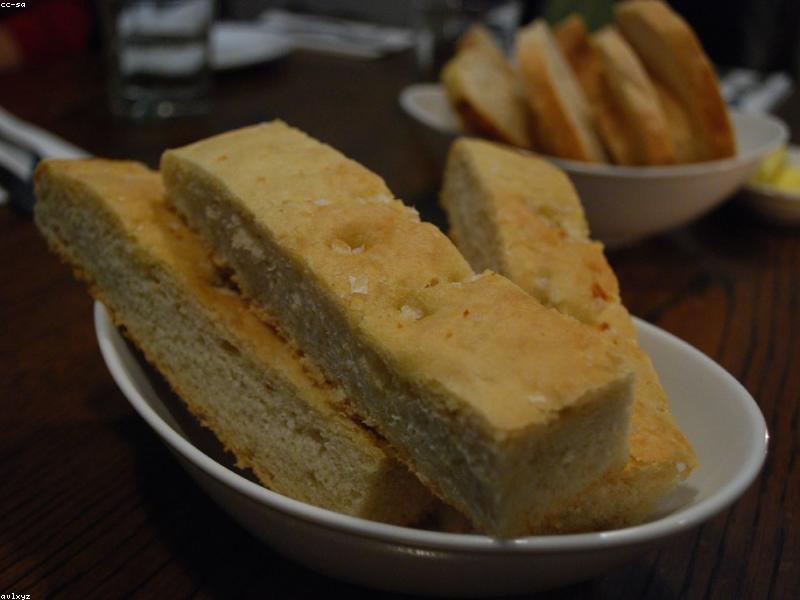
Light & Airy Homemade Focaccia
Super-savory, cloud-like focaccia with a surprisingly simple method that delivers bakery-quality results in your home kitchen. This Italian flatbread recipe yields an airy, open interior with a crispy, herb-oil soaked crust that shatters pleasantly with every bite, sure to impress family and dinner guests alike. Perfect for beginner bakers and seasoned pros, this recipe simplifies traditional techniques without sacrificing flavor or texture.
Prep Time: 15 min
Cook Time: 25 min
Total Time: 2 hr 30 min
Servings: 8
Recipe Background
Focaccia is one of Italy’s oldest and most beloved breads, with roots tracing back to ancient Rome where it was baked on the hearth (the name derives from the Latin focus, meaning hearth). This flat, oven-baked bread is similar to pizza dough but typically thicker, with a focus on a soft, airy crumb and a crisp, oil-rich crust. Traditional focaccia is topped simply with olive oil, salt, and herbs, letting the quality of the ingredients shine. Our version streamlines the process while preserving authentic flavor: we use a slightly higher hydration dough for extra airiness, and a two-rise method that develops complex flavor without requiring all-day fermentation. Whether you’re serving it as an appetizer, sandwich bread, or side dish, this focaccia adapts to any occasion.
Ingredients
Each ingredient in this recipe plays a key role in developing the signature texture and flavor of focaccia. Below, find details on why each component matters, plus substitution tips if needed.
- 3 and 3/4 cups (480g) bread flour — Bread flour is preferred here for its higher protein content (12-14%), which develops more gluten when kneaded. This gives the focaccia its signature chewy yet airy structure. If substituting all-purpose flour (10-12% protein), expect a slightly softer, less structured crumb.
- 2 tsp instant yeast — Instant yeast (also called rapid-rise or bread machine yeast) can be mixed directly into dry ingredients without proofing first. It activates quickly in warm water, making this recipe fast. Active dry yeast can be substituted: use the same amount, but proof it in the warm water with honey first for 5 minutes until foamy.
- 1 and 1/2 tsp salt — Fine sea salt or table salt works here, added to the dry ingredients to regulate yeast activity and enhance flavor. Reduce to 1 tsp if you prefer a less salty bread, but note that salt also strengthens gluten structure.
- 1 and 1/2 cups (360ml) warm water (110°F/43°C) — The water temperature is critical: too hot (above 120°F/49°C) will kill the yeast, too cold will slow fermentation. Use a thermometer for accuracy, or test with your wrist — it should feel like warm bath water. Filtered water is recommended if your tap water has a strong chlorine taste, which can affect yeast performance.
- 1/4 cup extra virgin olive oil, divided — Extra virgin olive oil (EVOO) adds rich, fruity flavor to the dough and creates the signature crisp crust. Use a high-quality EVOO you’d enjoy dipping bread into — avoid light or refined olive oils, which lack flavor. We divide it: 2 tbsp in the dough, 1 tbsp for greasing the pan, and the remaining 1 tbsp for drizzling before baking.
- 1 tsp honey — A small amount of honey feeds the yeast for faster fermentation, while adding a subtle sweetness that balances the savory herbs and salt. Granulated sugar or maple syrup can be substituted in equal amounts.
- 2 tsp coarse sea salt (for topping) — Coarse sea salt (like Maldon or Himalayan pink salt) adds a pleasant crunch and bursts of salinity. Fine salt will dissolve too quickly and won’t give the same textural contrast.
- 2 tbsp fresh rosemary leaves (or 1 tbsp dried) — Fresh rosemary gives the most vibrant, piney flavor. Strip leaves from stems and chop roughly if desired. Dried rosemary works in a pinch, but crush it between your fingers before adding to release oils.
- 3 cloves garlic, thinly sliced (optional) — Thinly sliced garlic caramelizes slightly in the oven, adding sweet, savory depth. For a milder flavor, roast the garlic slices in a small pan with a tsp of olive oil for 1 minute before adding to the dough.
- Flaky sea salt for finishing — Flaky salt (like Maldon) adds a final crunchy, salty finish right after baking, when the crust is still hot and oiled. This step is optional but highly recommended.
Instructions
Follow these step-by-step instructions, with tips for each stage to ensure perfect focaccia every time.
- Step1: Mix the Dough In a large mixing bowl (preferably wide and shallow), whisk together the bread flour, instant yeast, and salt until evenly distributed. This ensures the yeast and salt are not clumped, which can lead to uneven rising or over-salted spots. Add the warm water, honey, and 2 tbsp of the extra virgin olive oil. Use a wooden spoon or silicone spatula to mix until a shaggy, sticky dough forms — it will look rough and not fully combined at first, which is normal. Avoid overmixing here; we’ll develop gluten in the next step.
- Step2: Knead the Dough Turn the dough out onto a lightly floured surface (use bread flour for dusting to avoid adding too much extra flour). Knead for 5-8 minutes: push the dough away with the heel of your hand, fold it back over itself, and rotate 90 degrees. Repeat until the dough is smooth, elastic, and slightly tacky but not sticky enough to cling to your hands. To test gluten development, stretch a small piece of dough: it should form a thin, translucent “windowpane” without tearing. If it tears immediately, knead for another 1-2 minutes.
- Step3: First Rise Lightly grease a clean large bowl with olive oil (use the leftover oil from the measuring cup). Place the dough in the bowl, turning it once to coat all sides with oil — this prevents a dry skin from forming on the surface. Cover the bowl with a damp kitchen towel or plastic wrap (lightly oil the plastic wrap if it touches the dough to prevent sticking). Let rise in a warm, draft-free spot (75-80°F/24-27°C) for 1 to 1.5 hours, until doubled in size. To test if it’s risen enough, poke the dough gently with a floured finger: the indentation should remain without springing back immediately.
- Step4: Shape the Dough Generously oil a 9×13-inch (23×33 cm) metal baking pan with 1 tbsp olive oil — use your hands to spread it evenly across the bottom and up the sides, ensuring no dry spots. Punch down the risen dough (press your fist into the center to release air bubbles) and transfer it to the prepared pan. Use your fingertips to gently press and stretch the dough to fill the pan: start from the center and work outward, being careful not to tear the dough. If it springs back, let it rest for 2-3 minutes to relax the gluten, then continue stretching. The dough should be evenly spread to the corners.
- Step5: Second Rise Cover the pan loosely with plastic wrap or a damp towel. Let rise again in a warm spot for 30-45 minutes, until the dough is puffy, airy, and nearly doubled in height — it should jiggle slightly when you shake the pan gently. During the last 15 minutes of this rise, preheat your oven to 425°F (220°C) with the rack in the middle position. If your oven runs hot, reduce to 420°F (215°C) to prevent over-browning.
- Step6: Dimple the Dough Remove the cover from the pan. Using clean, oiled fingertips (dip them in olive oil to prevent sticking), press deep dimples into the dough all over, pressing all the way to the bottom of the pan — each dimple should be about 1/2 inch apart. These dimples will trap the olive oil and toppings, creating pockets of flavor and that signature focaccia texture. Drizzle the remaining 1 tbsp olive oil evenly over the dough, letting it pool in the dimples.
- Step7: Add Toppings and Bake Sprinkle the rosemary leaves, garlic slices (if using), and coarse sea salt evenly over the dough, pressing them gently into the dimples so they adhere during baking. Place the pan in the preheated oven and bake for 20-25 minutes, rotating the pan halfway through for even browning. The focaccia is done when the top is golden brown, the edges are crispy and dark golden, and the internal temperature (measured with a meat thermometer) reaches 190-200°F (88-93°C).
- Step8: Finish and Serve Remove the pan from the oven and place it on a wire rack. While the focaccia is still hot, sprinkle immediately with flaky sea salt — the hot oil will help the salt adhere. Let cool in the pan for 5-10 minutes (this sets the crust), then transfer to a cutting board. Slice into 8 equal pieces using a serrated bread knife (saw gently to avoid compressing the airy crumb). Serve warm for the best texture, or let cool completely to room temperature.
Chef’s Tips
- Yeast Temperature Check: Always verify your water temperature with a thermometer — water that’s too hot is the most common reason for flat focaccia. If you don’t have a thermometer, aim for wrist-temperature: it should feel warm, not hot.
- Gluten Development: Proper kneading is key to airy focaccia. If you’re using a stand mixer, knead with the dough hook on medium speed for 4-5 minutes instead of by hand.
- Rising Spot: No warm spot in your kitchen? Turn your oven to the lowest setting for 1 minute, then turn it off. Place the covered dough inside with the door slightly ajar — the residual warmth creates the perfect rising environment.
- Baking Sheet Note: Metal pans conduct heat better than glass or ceramic for focaccia, giving a crispier bottom crust. If using a glass pan, reduce oven temperature by 25°F (15°C) to prevent over-browning.
- Dimple Depth: Don’t be afraid to press deep dimples — reaching the bottom of the pan ensures the olive oil seeps into the dough, creating flavorful pockets throughout.
Variation Suggestions
Once you’ve mastered the base recipe, try these delicious variations to mix up the flavor profile:
- Mediterranean: Top with sliced Kalamata olives, sun-dried tomatoes, and crumbled feta cheese before baking.
- Garlic & Herb: Mix 1 tsp dried oregano and 1 tsp dried thyme into the dough during mixing, and top with extra garlic slices and Parmesan cheese.
- Spicy: Add 1/2 tsp red pepper flakes to the dough and top with sliced jalapeños and pepper jack cheese.
- Sweet: Skip the rosemary and garlic, top with thinly sliced pears, gorgonzola cheese, and a drizzle of honey after baking.
- Everything Bagel: Sprinkle with everything bagel seasoning (sesame seeds, poppy seeds, dried garlic, dried onion, salt) instead of rosemary and coarse salt.
Storage Instructions
- Room Temperature: Store leftover focaccia in an airtight container or wrapped tightly in plastic wrap at room temperature for up to 2 days. The crust will soften slightly but the flavor remains excellent.
- Refrigerator: For longer storage, refrigerate in an airtight container for up to 5 days. Reheat in a 350°F (175°C) oven for 5-7 minutes to restore crispness.
- Freezer: Wrap individual slices or the whole loaf tightly in plastic wrap, then aluminum foil, and freeze for up to 3 months. Thaw at room temperature for 2 hours, then reheat in the oven at 375°F (190°C) for 10-12 minutes until warm and crispy.
Serving Suggestions
- Serve warm as an appetizer with a side of balsamic vinegar and extra virgin olive oil for dipping.
- Use as sandwich bread: slice horizontally and fill with deli meats, cheeses, and fresh vegetables for a hearty lunch.
- Pair with soups, salads, or pasta dishes as a side — it’s especially good with tomato-based soups or creamy chowders.
- Top with scrambled eggs, avocado, and hot sauce for a savory breakfast or brunch option.
- Tear into chunks and serve with a cheese board or charcuterie platter for entertaining.
Nutrition Information
| Calories | 240 |
| Protein | 7g |
| Carbohydrates | 38g |
| Fat | 7g |