Brown Butter Banana Bread
Brown butter banana bread with deep caramel nuttiness and a tender crumb — the viral ingredient that transforms a classic. Moist, flavorful, and easy.
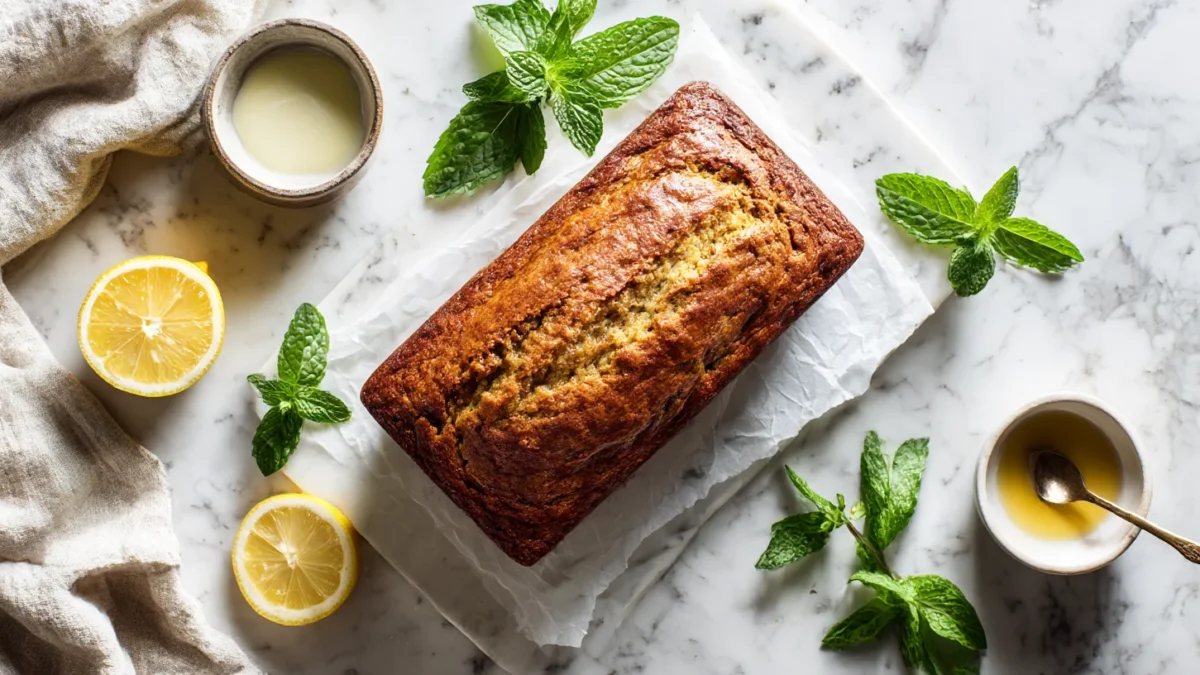
Banana bread is already a forgiving, soul-warming thing — but when you brown the butter first, banana bread becomes something worth getting out of bed for. Browning butter is a five-minute ritual that transforms it from simple fat into something nutty, complex, and faintly caramelized. Those tiny browned milk solids swirling in golden fat carry a depth that melted butter alone cannot touch. Every slice of this loaf tastes warm and toasty, even at room temperature. If you have overripe bananas sitting on the counter, this is what they have been waiting for.
Why You’ll Love This Brown Butter Banana Bread
- Nutty, toasty depth from brown butter — the browning process creates hundreds of new flavor compounds that plain melted butter simply cannot deliver.
- One-bowl batter — Mash, stir, pour. You do not need a mixer, a food processor, or more than 15 minutes of hands-on time.
- Uses those neglected bananas — the blacker the skin, the sweeter and more flavorful the banana. This recipe rewards procrastination.
- Incredibly moist crumb — the combination of ripe bananas and brown butter keeps this loaf tender for days, not hours.
- Freezes like a dream — wrap a few slices individually and you have grab-go breakfast for weeks.
- Adaptable — add chocolate chips, swap in pecans, or fold in blueberries. The base recipe holds up to all of it.
Ingredients
The single most important ingredient in this recipe is also the most overlooked: your bananas need to be deeply overripe. We are talking brown or black skins, soft flesh, and an almost fermented sweetness. As bananas ripen, their starches convert to sugars and their flavor compounds multiply. A yellow banana with a few brown spots is fine for eating out of hand — but for banana bread, it barely registers. The browner the banana, the more complex and sweet your loaf will be.
- 1/2 cup (1 stick) unsalted butter (for browning)
- 3 to 4 large very ripe bananas (blackened skins preferred; about 1 1/4 cups mashed)
- 3/4 cup granulated sugar
- 1 large egg (room temperature)
- 1 teaspoon vanilla extract
- 1 1/2 cups (190g) all-purpose flour (spooned and leveled, not scooped)
- 1 teaspoon baking soda (check the date — expired baking soda will not rise)
- 1/2 teaspoon fine sea salt or table salt
- 1/2 teaspoon ground cinnamon (optional)
- 1/2 cup chopped walnuts (optional; toasting them first adds even more flavor)
Equipment
- 9×5-inch loaf pan (light metal conducts heat best)
- Light-colored stainless steel or enamel saucepan (you must see the butter’s color change — a dark pan hides the browning stage)
- Large mixing bowl
- Fork or potato masher for bananas
- Silicone spatula
- Toothpick or thin skewer for testing doneness
- Wire cooling rack
- Complete guide to browning butter from King Arthur Baking
How to Make Brown Butter Banana Bread
Step 1 — Brown the butter: a 7-minute transformation
Cut the stick of butter into pieces and place them in a light-colored saucepan over medium heat. Watch it carefully. The butter will melt, then start to foam and bubble — that is the water cooking out. Keep stirring gently. After 3 to 4 minutes, the foam will subside and you will start to see golden-brown flecks forming at the bottom of the pan. The smell will shift from buttery to nutty and toasty. Total time is 5 to 7 minutes. The moment the flecks turn amber and the butter smells like hazelnuts, pour the entire contents into a heatproof bowl immediately to stop the cooking. Scrape every brown bit from the pan — that is concentrated flavor. Let it cool for 10 minutes while you prep the rest.
Step 2 — Prep pan and mash bananas: under 5 minutes
Position your oven rack in the center and preheat to 350 F. Grease the loaf pan with a little butter or line it with a parchment sling for easy removal. Peel the bananas and drop them into a large bowl. Mash with a fork until mostly smooth but still with a few small chunks — those chunks become pockets of soft, jammy banana in the finished bread. You want about 1 1/4 cups of mashed banana.
Step 3 — Combine wet ingredients: 2 minutes of stirring
Pour the cooled brown butter into the mashed bananas. Add the sugar, egg, and vanilla. Stir with a fork or spatula until everything is smooth and combined. The mixture will be slightly loose, glossy, and smell incredible — that brown butter aroma hits before the batter even goes in the oven.
Step 4 — Fold in dry ingredients: resist the urge to overmix
Add the flour, baking soda, salt, and cinnamon directly on top of the wet ingredients. Use your spatula to gently fold, starting from the bottom of the bowl and sweeping up and over. Fold until you no more dry streaks — about 15 to 20 folds. The batter should look thick and scoopable. If you are adding walnuts, fold them in at the very end. Do not whisk, do not beat. Overmixing develops gluten and turns banana bread tough and tunnel-y.
Step 5 — Bake: 50 to 60 minutes at 350 F
Scrape the batter into the prepared loaf pan and smooth the top with the back of your spatula. If you like a crunchy top, sprinkle a tablespoon of turbinado sugar over the surface. Bake at 350 F for 50 to 60 minutes. Begin checking at the 50-minute mark by inserting a toothpick into the very center of the loaf. It should come out clean or with just a few moist crumbs clinging to it — not wet batter. If the top is deep golden but the center is not done, tent loosely with aluminum foil and continue baking in 5-minute increments.
Step 6 — Cool and release: patience matters here
Set the pan on a wire rack and let the bread cool for 15 minutes in the pan. Then run a thin knife around all four edges and carefully turn the loaf out onto the rack. Peel off the parchment if you used it. Let it cool for at least another 30 minutes before slicing. This resting time lets the crumb set — cutting too early will cause it to compress and crumble. If you can resist cutting until it is completely cool, the slices will be cleaner and the texture more even.
Step 7 — Slice and serve
Use a serrated knife and a gentle sawing motion to cut slices about 3/4-inch thick. A straight up-and-down press will compress the loaf. Each slice should show a moist, tender crumb with a slightly crispy brown edge. Eat one warm with a pat of salted butter melting into it. You have earned this.
Pro Tips
Browning butter is a small window. It goes from golden and nutty to black and bitter in about 30 seconds. Pull it from the heat a beat earlier than you think you should, and transfer it immediately to a bowl. The pan’s residual heat will keep it cooking. If you burn a batch, rinse the pan and start over — burnt brown butter tastes acrid, and no amount of sugar will mask it in the finished bread.
For the deepest banana flavor, freeze your overripe bananas in their skins (in a zip-top bag) whenever you have them. Thaw them overnight in the fridge before using. The freezing process breaks down cell walls and turns the flesh into an ultra-sweet, almost syrupy mash. It dramatically intensifies the banana flavor compared to fresh overripe bananas.
Measure your flour correctly. Scooping flour directly from the bag with the measuring cup packs it down and can add up to 30% more flour than the recipe calls for. Too much flour makes the bread dry, dense, and cakey instead of moist and tender. Either spoon flour into the cup and level it off, or use a kitchen scale (1 1/2 cups = 190 grams).
Do not skip the salt. A half teaspoon of salt in a loaf this sweet is not about making it taste salty — it rounds out the banana, deepens the brown butter, and makes the whole loaf taste more like itself. Unsalted butter and salted batter are your friends here.
If you want bakery-style domed tops, resist the temptation to open the oven door during the first 35 minutes of baking. The bread is setting its structure early on, and a blast of cool air can cause it to sink.
Variations & Substitutions
Chocolate Chip Brown Butter Banana Bread
Fold in 3/4 cup of semi-sweet chocolate chips at the end of mixing. The warmth of the brown butter pairs beautifully with dark chocolate. For an extra touch, press a handful of chips onto the top of the batter before baking — they become melty and slightly gooey on the crust.
Blueberry Brown Butter Banana Bread
Toss 1 cup of fresh or frozen blueberries with 1 tablespoon of flour (this prevents them from sinking to the bottom) and gently fold into the batter. Use frozen berries straight from the freezer — thawed berries burst and turn the batter gray-blue. The tartness of blueberries under the nutty, sweet loaf is a genuinely good combination.
Peanut Butter Swirl Brown Butter Banana Bread
Pour half the batter into the pan. Dollop 1/4 cup of creamy peanut butter on top in three or four spoonfuls. Pour the remaining batter over the top. Drag a knife through the batter in a figure-eight pattern to create swirls. The peanut butter melts into golden streaks that taste like a banana-peanut butter sandwich.
Gluten-Free Brown Butter Banana Bread
Replace all-purpose flour with a 1:1 gluten-free baking blend such as Bob’s Red Mill or King Arthur Measure for Measure. Add 1/4 teaspoon xanthan gum if your blend does not include it — this gives the bread the elasticity it would normally get from gluten. Expect a slightly more tender, crumbly slice, but the flavor will be identical.
Storage & Reheating
Wrap cooled banana bread tightly in plastic wrap or beeswax wrap and store at room temperature for up to 3 days. In fact, many people (myself included) think it tastes better on day two — the brown butter flavor deepens and the banana notes meld as it sits. Keep it away from direct sunlight and heat sources.
For longer storage, refrigerate wrapped banana bread for up to one week. The fridge will firm it up — toast individual slices or let them come to room temperature before eating.
To freeze, wrap the whole loaf (or individual slices) tightly in plastic wrap, then again in aluminum foil. Label with the date and freeze for up to 3 months. Thaw a whole loaf at room temperature for 2 to 3 hours, or toast individual slices straight from frozen — they come out warm and almost taste freshly baked.
What to Serve With Brown Butter Banana Bread
A generous pat of salted butter melting into a warm slice — the simplest and best way to eat this bread
Toasted slices with a smear of cream cheese and a drizzle of honey
Alongside a hot cup of coffee or chai for a weekend morning that feels deliberate
For a dessert move, serve a warm slice with a scoop of vanilla bean ice cream
If you love baking with brown butter, try these banana muffins for a portable version of the same flavors
This loaf pairs perfectly with a make-ahead brunch spread when you need something sweet alongside the savory
More banana? Try the classic banana pancakes recipe for a weekend morning that practically makes itself
For the science behind why brown butter tastes so good, Serious Eats explains the Maillard reaction at work
Nutrition Information
Per serving (1 of 10 slices, without walnut topping):
Frequently Asked Questions
Do I have to brown the butter? Can I just melt it?
You do not have to. Plain melted butter will still give you a perfectly good banana bread. But you will miss the nutty, almost toffee-like flavor that brown butter brings. It is the difference between a banana bread everyone likes and a banana bread people ask you for the recipe. If you have five spare minutes, brown the butter.
Can I use yellow bananas instead of overripe ones?
You can physically put them in the batter, yes — but the result will be less sweet, less banana-forward, and less moist. Yellow bananas have not converted their starches to sugars yet, and they lack the deep, almost rum-like flavor of a truly overripe banana. If your bananas are not there yet, speed things up by placing them on a parchment-lined sheet pan and baking at 300 F for 15 to 20 minutes, until the skins turn completely black. Let them cool completely before using.
Why did my banana bread turn out gummy in the middle?
The most common cause is underbaking. Oven temperatures can vary by 25 degrees or more in either direction. Use the toothpick test rather than relying on the timer alone. A second common culprit: too much flour. If you scooped flour directly from the bag with the measuring cup, you likely packed in 20 to 30% more flour than the recipe intended, which traps moisture and creates a dense center. Measure carefully next time.
How do I freeze banana bread? Will it dry out?
Wrap individual slices or the whole loaf in plastic wrap first, then in aluminum foil — the double layer prevents freezer burn. It keeps well for up to 3 months. To serve, thaw slices at room temperature for 1 to 2 hours, or pop a frozen slice directly into the toaster. The toaster method is faster and the slight crunch on the outside against the soft interior is genuinely excellent.
Can I turn this into muffins?
Absolutely. Line a standard 12-cup muffin tin with paper liners or grease well. Fill each cup about three-quarters full and bake at 350 F for 22 to 28 minutes. They are done when a toothpick inserted in the center comes out clean. Muffins cool in about 10 minutes and are ready to eat — no 45-minute loaf waiting period required.
Browning butter is the kind of small effort that pays back tenfold. Five minutes at the stove, and suddenly banana bread goes from good to unforgettable. The warm, nutty aroma fills your kitchen before the loaf even goes into the oven, and every slice tastes like something more than the sum of its pantry-stale parts. Make this on a lazy weekend morning. Eat one slice warm, freeze the rest, and thank yourself later.