Gochujang Glazed Salmon Bowls
Restaurant-quality gochujang salmon bowls at home. Simple ingredients, clear steps, ready fast. Get the recipe. Save it for tonight.
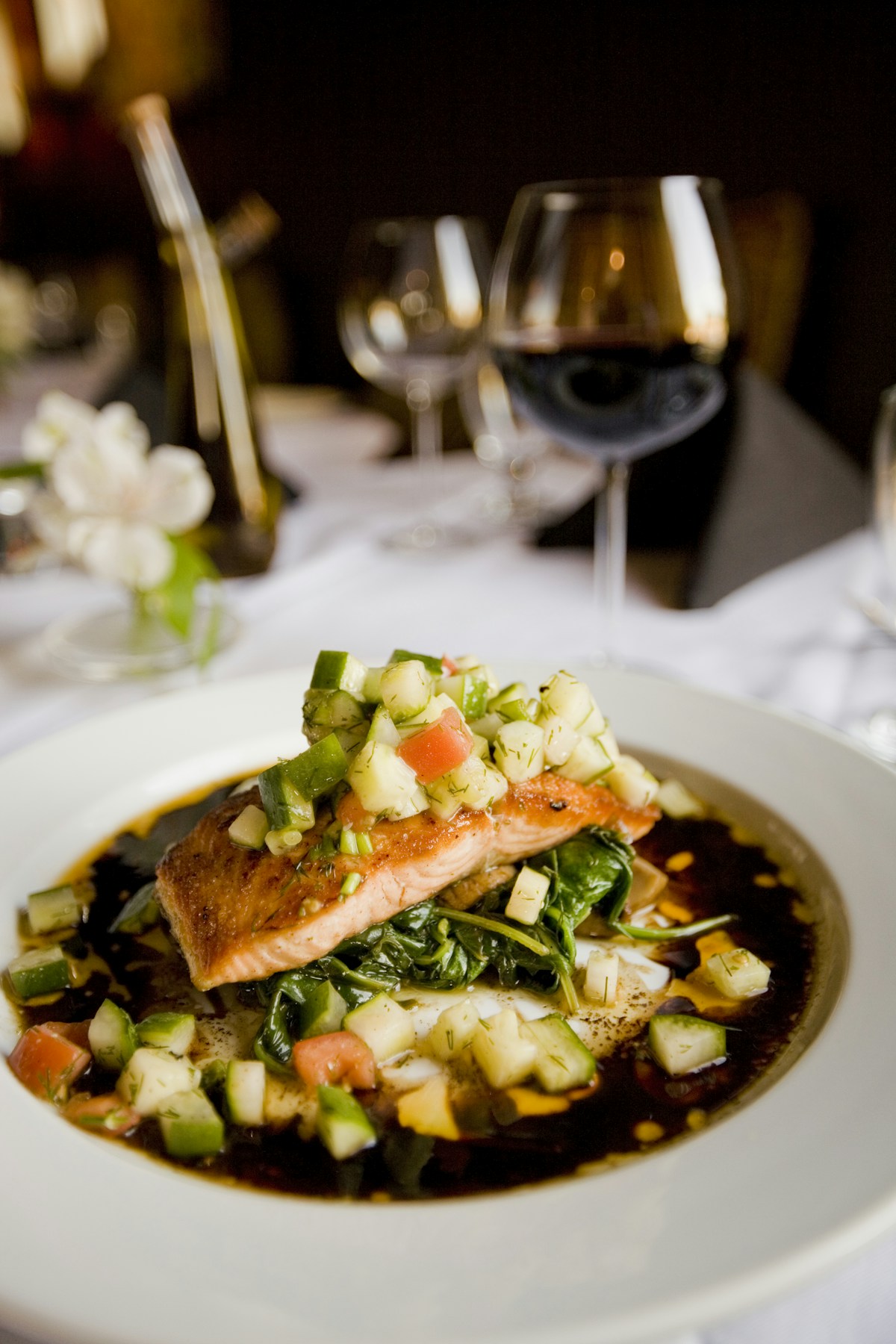
These gochujang salmon bowls are weeknight dinner gold. The salmon gets coated in a sweet-spicy glaze made from Korean chili paste, soy sauce, and honey, then broiled until the edges char and the glaze turns sticky and caramelized. Served over jasmine rice with edamame, cucumber, and a sprinkle of sesame seeds, this is the kind of bowl that tastes like it came from a restaurant but takes less than 30 minutes to make. The gochujang glaze is the star here. It is deeply savory with a slow-building heat that does not overwhelm.
Why You’ll Love This Gochujang Salmon Bowls
- The gochujang glaze takes 2 minutes to mix and transforms simple salmon into something special
- Everything cooks in under 20 minutes
- The bowl format means everyone can customize their own toppings
- Gochujang keeps for months in the fridge, so you will use it again
- High protein and packed with vegetables
- The broiled glaze gets those charred, caramelized edges that are impossible to resist
Ingredients
- 4 (6 ounces each) skin-on salmon fillets (Skin-on holds together better on the broiler. Pinch out any bones with tweezers.)
- 3 tablespoons gochujang (Korean chili paste) (Find it in the Asian aisle or at a Korean grocery. The tub lasts forever in the fridge.)
- 2 tablespoons soy sauce (Low-sodium preferred. If using regular soy sauce, reduce the amount slightly.)
- 1 tablespoon honey (Maple syrup works for a slightly different flavor.)
- 1 tablespoon rice vinegar (Unseasoned. Adds brightness to the glaze.)
- 1 teaspoon sesame oil (Toasted sesame oil for the glaze.)
- 2 garlic cloves (Grated on a microplane or minced to a paste.)
- 1 teaspoon fresh ginger (Grated. Do not use dried ginger here.)
- 2 cups cooked jasmine rice (About 1 cup dry. Short-grain sushi rice also works well.)
- 1 cup shelled edamame (Thawed if frozen. You can microwave them for 1 minute with a splash of water.)
- 1 Persian cucumber (Sliced into half-moons.)
- 1 tablespoon toasted sesame seeds (For garnish.)
- 2 green onions (Thinly sliced for garnish.)
- 1 tablespoon neutral oil (For the broiler pan.)
Equipment
- Sheet pan or broiler-safe baking dish
- Parchment paper or aluminum foil
- Small saucepan or microwave-safe bowl
- Rice cooker or medium pot
- Pastry brush (optional)
How to Make Gochujang Salmon Bowls
Step 1 — Make the gochujang glaze
In a small bowl, whisk together the gochujang, soy sauce, honey, rice vinegar, sesame oil, grated garlic, and grated ginger until smooth. Taste it. It should be sweet, salty, spicy, and slightly tangy. Set aside half of the glaze for serving. You will use the other half for brushing on the salmon.
Step 2 — Prep the salmon
Pat the salmon fillets dry with paper towels. This is important because wet salmon will steam instead of broil. Place the fillets skin-side down on a parchment-lined sheet pan. Brush the tops and sides generously with the gochujang glaze. Let them sit at room temperature for 10 minutes while you preheat the broiler. This helps the glaze adhere and the salmon cook more evenly.
Step 3 — Broil the salmon
Position your oven rack 6 inches below the broiler element. Preheat the broiler on high for 3 minutes. Slide the sheet pan in and broil for 7 to 9 minutes, depending on the thickness of your fillets. The glaze should be bubbly and charred in spots, and the salmon should flake easily with a fork. If the glaze is charring too fast, move the rack down one position. Internal temperature should reach 125 F for medium or 135 F for medium-well.
Step 4 — Prep the bowl components
While the salmon broils, cook the jasmine rice if you have not already. Warm the edamame. Slice the cucumber into half-moons. Thinly slice the green onions. Have everything ready to go because the salmon comes out of the oven and goes straight into the bowls.
Step 5 — Assemble the bowls
Divide the cooked rice among 4 bowls. Arrange a salmon fillet in the center of each bowl. Add edamame and cucumber slices around the salmon. Drizzle the reserved glaze over everything. Sprinkle with toasted sesame seeds and sliced green onions.
Step 6 — Serve
Serve immediately while the salmon is hot and the glaze is sticky. Provide chopsticks or forks. These bowls are meant to be mixed together as you eat, so do not worry about making them look perfect.
Pro Tips
Do not skip patting the salmon dry. Moisture is the enemy of a good glaze. Wet salmon steams and the glaze slides right off.
Watch the broiler like a hawk. Gochujang has sugar in it and goes from perfectly charred to burnt in about 60 seconds. Do not walk away.
If you do not have a broiler, you can pan-sear the salmon in a hot skillet with oil, glaze-side down first for 3 minutes, then flip and cook for another 4 minutes.
Gochujang varies in heat level by brand. Ssamjang is milder if you are sensitive to spice. Start with 2 tablespoons and add more to taste.
For extra crispy skin, broil the salmon skin-side up for the first 3 minutes, then flip and brush with glaze for the remaining cook time.
Variations & Substitutions
**Spicy Version:** Add 1 tablespoon of gochujang to the glaze and finish with a drizzle of sriracha. Top with sliced fresh Thai chilies.
**Teriyaki Swap:** Replace the gochujang with a homemade teriyaki glaze (soy sauce, mirin, sugar, and ginger). The cooking method stays the same.
**Tofu Bowls:** Extra-firm tofu, pressed and cubed, tossed in the gochujang glaze and baked at 400 F for 25 minutes. A solid vegetarian option.
**Noodle Bowls:** Swap the rice for soba noodles or ramen. Toss the noodles with a splash of the glaze and sesame oil before adding the toppings.
Storage & Reheating
Store leftover salmon and rice separately in airtight containers in the fridge for up to 2 days. Reheat the salmon gently in a 300 F oven for 8 to 10 minutes or in the microwave at 50% power. The glaze will soften but still tastes good. Do not freeze the assembled bowls. The cucumber and edamame do not hold up well to freezing.
What to Serve With Gochujang Salmon Bowls
A side of [teriyaki salmon](/teriyaki-salmon/) glaze for anyone who wants extra sauce
A [sesame cucumber salad](/sesame-cucumber-salad/) for extra crunch and freshness
A bowl of [korean beef bowls](/korean-beef-bowls/) to offer a land-based protein option
Steamed broccoli or bok choy drizzled with the leftover gochujang glaze
Nutrition Information
One bowl per serving. Values are approximate and will vary based on specific ingredients used.
Frequently Asked Questions
What if I cannot find gochujang?
You can substitute a mixture of 2 tablespoons sriracha, 1 tablespoon miso paste, and 1 teaspoon sugar. It will not taste exactly the same but it gets you in the ballpark. Gochujang is worth seeking out though. It is in most grocery stores now in the Asian foods section.
Can I use frozen salmon?
Yes. Thaw it completely in the fridge overnight and pat it very dry before glazing. Frozen salmon releases more moisture as it cooks, so it may take an extra 1 to 2 minutes under the broiler.
Is this recipe very spicy?
Gochujang has a moderate heat that builds slowly. It is more savory and sweet than truly hot. If you are spice-sensitive, start with 2 tablespoons of gochujang instead of 3. Kids tend to handle this level of spice well because of the honey.
Can I make this in the air fryer?
Yes. Preheat the air fryer to 400 F. Place the glazed salmon in the basket in a single layer and cook for 8 to 10 minutes. The glaze will not char as much as under the broiler but the salmon cooks beautifully. Brush with a second coat of glaze halfway through.
These gochujang salmon bowls are proof that a weeknight dinner does not have to be boring. The glaze takes 2 minutes to mix and makes the salmon taste like something from a high-end Korean restaurant. Once you buy a tub of gochujang, you will start putting it on everything. Eggs, roasted vegetables, stir-fries. It is one of those ingredients that earns its spot in your fridge permanently.