Homemade Margherita Pizza
Authentic homemade Margherita pizza with fresh mozzarella, basil, and San Marzano tomatoes. Ready in 35 minutes. Get the recipe now from Home Recipes!
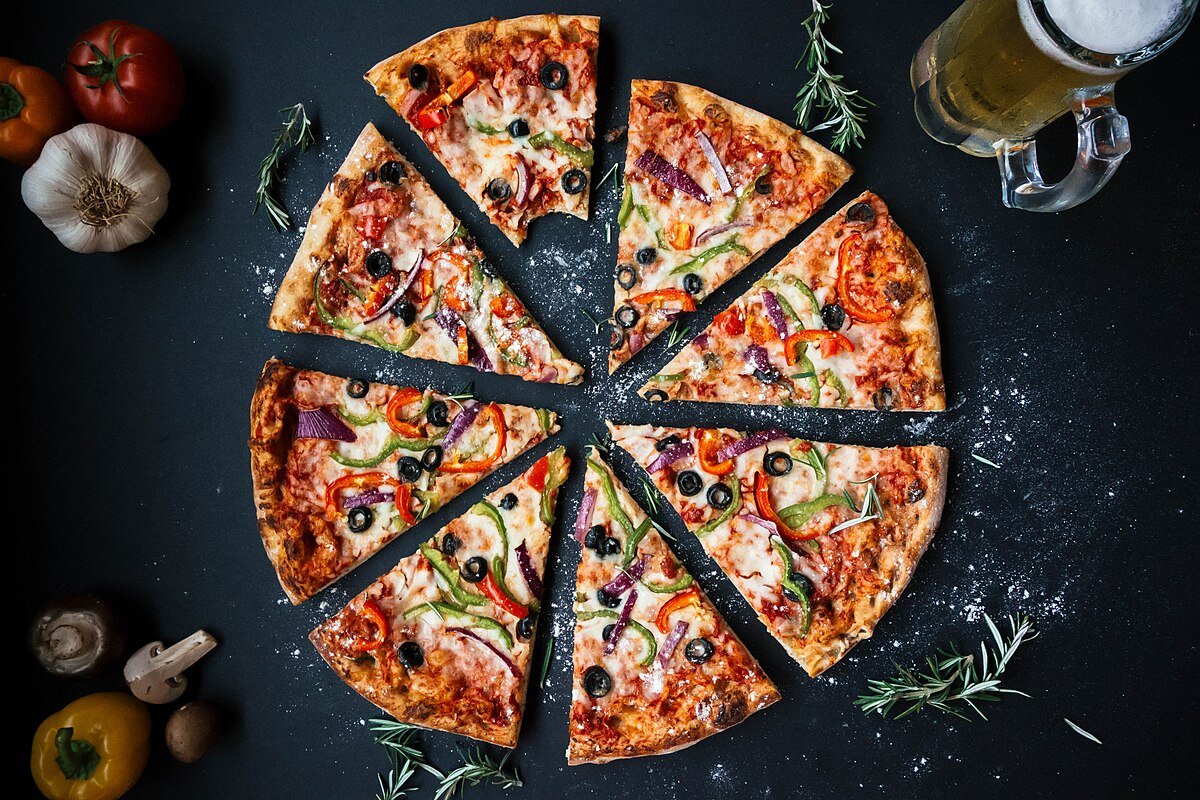
This homemade Margherita pizza recipe delivers a blistered, chewy crust with bright tomato sauce and creamy fresh mozzarella — the way pizza tastes in Naples. The dough uses a 70% hydration percentage, which gives you open crumb and crisp exterior without requiring professional equipment. You can have the dough ready in 4 hours with active yeast, or let it cold-ferment overnight for deeper flavor. The sauce is just crushed San Marzano tomatoes with a pinch of salt — no cooking required, which preserves the fresh tomato acidity that cuts through the cheese. This homemade Margherita pizza also freezes well as unbaked dough balls.
Why You’ll Love This Homemade Margherita Pizza
- Ready in under 35 minutes once the dough is prepped — from fridge to table faster than delivery
- Pantry-friendly ingredients — flour, yeast, tomatoes, mozzarella, basil, salt, olive oil
- High-hydration dough with no kneading — the stretch-and-fold method develops gluten while you do other things
- Works in a home oven at 500°F — no pizza oven required, though a baking steel helps
- Authentic flavor from three key details: San Marzano tomatoes, fiore di latte mozzarella, and olive oil finished after baking
Ingredients
The hero ingredient here is the San Marzano tomato. These DOP-certified tomatoes grow in the volcanic soil around Mount Vesuvius, giving them a balanced sweetness and low acidity that doesn’t need sugar or simmering. Crush them by hand for varied texture — some smooth, some chunky — which creates pockets of concentrated flavor on the baked pizza. If you can’t find San Marzanos, use the best whole peeled tomatoes available and add a pinch of sugar to offset high acidity. For more on tomato varieties, see <a href=”https://www.seriouseats.com/what-are-san-marzano-tomatoes” rel=”nofollow noopener” target=”_blank”>Serious Eats’ guide to San Marzano tomatoes</a>.
- 3½ cups (420g) bread flour (or 00 flour) (00 flour gives the most authentic Neapolitan texture, but bread flour with 12-13% protein works well)
- 1½ cups (355ml) warm water (105-110°F — use a thermometer, water that’s too hot kills the yeast)
- 2¼ tsp (1 packet, 7g) instant yeast (Instant yeast can be mixed directly into flour; no proofing step needed)
- 2 tsp (10g) fine sea salt (Reduce to 1½ tsp if using salted toppings or a very salty cheese)
- 2 tbsp olive oil (Extra virgin for the dough; reserve a separate bottle of high-quality EVOO for finishing)
- 1 (28oz) can San Marzano tomatoes (Look for DOP certification on the label — these tomatoes have lower acidity and sweeter flesh than standard Roma)
- 12 oz (340g) fresh mozzarella (fiore di latte) (Buy the kind packed in water, not low-moisture block mozzarella; drain and pat dry with paper towels)
- 1 large bunch (about 20 leaves) fresh basil leaves (Add after baking — the residual heat wilts the basil without turning it black)
- 1, minced garlic clove (Optional, mixed into the crushed tomatoes for subtle aromatics)
- for dusting semolina flour (Prevents the pizza from sticking to the peel; cornmeal also works)
Equipment
- Baking steel or pizza stone — preheats evenly and mimics a brick oven floor; without one, use a reversed heavy baking sheet
- Pizza peel (wood or metal) — semolina-dusted peel prevents sticking when launching into the oven
- Digital kitchen scale — measuring flour by weight (420g) is far more consistent than volume, as King Arthur Baking explains
- Instant-read thermometer — ensures water is 105-110°F for proper yeast activation
- Large mixing bowl — at least 4-quart capacity for the dough to double in size
How to Make Homemade Margherita Pizza
Step 1 — Mix and autolyze the dough (15 minutes)
Combine the flour, instant yeast, and salt in a large mixing bowl. Whisk briefly to distribute the yeast evenly — this prevents pockets of over-proofed dough. Add the warm water (105-110°F) and 2 tablespoons of olive oil. Stir with a wooden spoon until no dry flour remains and the dough forms a shaggy ball. Cover the bowl with a damp towel and let it rest for 15 minutes. This autolyze period lets the flour hydrate fully, which develops gluten strands before you even touch the dough. This technique is standard in homemade Margherita pizza recipes across Italy.
Step 2 — Stretch and fold (every 20 minutes, 3 times)
Wet your hand to prevent sticking. Reach under the edge of the dough, pull up gently, and fold it over toward the center. Rotate the bowl 90 degrees and repeat — do this 4 times total for one fold set. Cover and let rest 20 minutes. Repeat this stretch-and-fold process 3 more times, spaced 20 minutes apart. After the final fold, the dough should feel smooth, elastic, and slightly tacky but not sticky. If it’s still very wet, add 1 tablespoon of flour and fold once more. This method develops gluten without kneading and creates the open, airy crumb characteristic of Neapolitan pizza.
Step 3 — First rise (2-4 hours, or overnight in fridge)
Cover the bowl tightly with plastic wrap or a damp towel. Let the dough rise at room temperature (70-75°F) until doubled in size — typically 2-4 hours depending on your kitchen temperature. For deeper flavor, skip the room-temperature rise and refrigerate the dough overnight (8-24 hours). Cold fermentation slows the yeast activity and allows enzymatic breakdown of starches into simple sugars, which brown more beautifully in the oven. If you cold-ferment, take the dough out 1 hour before baking to let it come to room temperature.
Step 4 — Prepare the sauce (5 minutes)
Open the can of San Marzano tomatoes and pour them into a bowl. Crush them by hand or with a potato masher — you want varied texture, not a smooth puree. Stir in the minced garlic (if using) and a pinch of salt. Taste and add another pinch of salt if the tomatoes taste flat. Do not cook the sauce. Raw crushed tomatoes preserve their bright acidity, which balances the rich mozzarella. If your tomatoes are very acidic, add ¼ teaspoon of sugar. The sauce should taste slightly under-seasoned at this stage — it concentrates significantly during baking.
Step 5 — Shape the pizza (5 minutes)
Preheat your oven to its maximum temperature (500-550°F) with the baking steel or pizza stone on the top rack, at least 45 minutes before baking. Meanwhile, divide the dough into two equal portions (about 350g each) for 12-inch pizzas. On a lightly floured surface, press one portion into a round disk, leaving a ½-inch border unpressed for the cornicione (rim). Starting from the center, press outward with your fingertips, then lift the dough and stretch it gently by rotating it in the air. Aim for 12 inches — if it springs back, let it rest 3 minutes and try again. Place on a semolina-dusted peel and give the peel a shake to confirm it slides freely.
Step 6 — Top and bake (8-10 minutes)
Spread 3-4 tablespoons of the raw tomato sauce over the dough, leaving the rim bare. Tear the fresh mozzarella into 1-inch chunks and distribute evenly — about 6 oz per pizza. Less is more here; overloading with cheese creates a soggy center. Slide the pizza onto the preheated steel. Bake for 8-10 minutes until the crust is deeply blistered and the cheese is bubbling and lightly browned in spots. If your oven has a broiler, switch to high broil for the final 60 seconds to char the crust further — watch closely to prevent burning. Remove from the oven and immediately scatter fresh basil leaves over the hot pizza so they wilt slightly.
Step 7 — Finish and serve (2 minutes)
Drizzle 1 teaspoon of high-quality extra virgin olive oil over the hot pizza — this is the finishing oil, so use the good stuff. A few cracks of black pepper are optional but welcome. Slice with a sharp pizza wheel and serve immediately while the crust is crisp and the cheese is still bubbling. The pizza is best eaten within 10 minutes of leaving the oven, before the crust steams and softens. If making both portions, keep the first pizza warm in a 200°F oven while shaping and baking the second.
Pro Tips
Pat the mozzarella completely dry. Fresh mozzarella packed in water releases liquid as it heats. Pat each piece with paper towels before adding to the pizza, or you’ll get a soggy center that never crisps.
Preheat the steel for a full 45 minutes. A baking steel takes time to saturate with heat. Rushing this step is the #1 reason home pizzas have pale, soft bottoms — the steel needs to be 500°F at the surface.
Less sauce than you think. Home cooks tend to oversauce. Use just enough to speckle the crust with red — about 3 tablespoons for a 12-inch pizza. Too much sauce pools in the center and prevents the crust from crisping.
Semolina is non-negotiable for the peel. All-purpose flour clumps onto the dough when it hits the oven heat. Semolina’s coarse granules create ball bearings that let the pizza slide smoothly onto the steel.
Variations & Substitutions
Whole wheat version
Replace 1 cup of the bread flour with whole wheat flour. The crust will be nuttier and slightly denser. Increase the water by 2 tablespoons since whole wheat flour absorbs more liquid. The cornicione will be less airy but the flavor is more complex.
Spicy Calabrese
Add ½ teaspoon of crushed red pepper flakes to the tomato sauce and top with thin slices of spicy soppressata or Calabrese salami before baking. The rendered fat from the meat bastes the crust as it cooks. Use a light hand with the mozzarella so the salami remains the star.
Gluten-free
Substitute the flour with a 1:1 gluten-free blend that contains xanthan gum. Add 1 teaspoon of apple cider vinegar to the dough — the acid helps mimic the elasticity that gluten normally provides. GF dough won’t stretch in the air the same way, so press it out gently with oiled fingers instead. More details at BBC Good Food’s gluten-free pizza guide.
Storage & Reheating
Refrigerate leftover slices in an airtight container for up to 3 days. The crust will lose its crispness but the flavor remains. Reheat in a 400°F oven on a preheated baking sheet for 6-8 minutes — the direct contact with hot metal revives the bottom crispness. Avoid the microwave, which turns the crust rubbery. Freezing is not recommended for assembled baked pizza (the tomato sauce separates when thawed), but you can freeze unbaked shaped dough rounds separated by parchment paper for up to 2 months — thaw overnight in the fridge before using.
What to Serve With Homemade Margherita Pizza
This pizza wants something acidic and fresh alongside. We almost always serve it with our Classic Caesar Salad — the garlic croutons and sharp dressing cut through the rich mozzarella. For a bread-forward spread, our Light & Airy Homemade Focaccia makes the table feel like an Italian bakery. If you want something with a bit more heft, try pairing it with Broccoli Burrata Pasta Salad — the burrata echoes the mozzarella in the pizza and the broccoli adds a bitter green note that balances the sweet tomatoes.
Nutrition Information
Per serving (½ of a 12-inch pizza, sauce and cheese included): approximately 480 calories, 22g protein, 62g carbohydrates, 16g fat, 3g fiber. Values are estimates based on King Arthur bread flour, generic San Marzano tomatoes, and whole-milk fresh mozzarella — actual nutrition depends on your specific brands, portion sizes, and whether you add optional toppings like meat.
Frequently Asked Questions
Can I make the dough ahead of time?
Yes — the dough actually improves with time. After the stretch-and-fold sequence, refrigerate the covered bowl for 24-48 hours. The cold fermentation develops complex, slightly tangy flavors and makes the dough easier to stretch. Take it out 1 hour before baking to let it come to room temperature, then proceed with shaping.
Why is my pizza crust soft and pale on the bottom?
The most common cause is insufficient preheating. Your baking steel or stone needs a full 45 minutes at 500°F to saturate with heat. If the bottom is still pale, place the pizza on the lowest oven rack for the final 2 minutes, or use the broiler briefly. A second cause is too much topping weight — excess moisture from sauce and cheese steams the crust instead of crisping it.
Can I use low-moisture mozzarella instead of fresh?
You can, but the result will be very different. Low-moisture block mozzarella melts into a uniform blanket and has a saltier, more processed flavor. Fresh mozzarella (fiore di latte or bufala) has higher moisture content and creates pockets of creamy cheese with a milky sweetness. If using low-moisture, slice it thinly and use about 30% less than the recipe calls for.
What’s the best flour for Neapolitan pizza at home?
Italian 00 flour (like Caputo Pizzeria) is milled to a superfine texture and has the right protein content (12-13%) for a soft, extensible dough that still develops a chewy crumb. In the US, King Arthur bread flour is the best widely-available substitute. Avoid all-purpose flour — its lower protein content produces a cracker-like crust that lacks the characteristic Neapolitan chew.
My dough keeps springing back when I try to stretch it. What’s wrong?
The gluten is too tight, usually from insufficient rest after shaping or over-working during the stretch-and-fold phase. Let the portioned dough ball rest on the counter for 10 minutes before stretching. If it still springs back, cover it with a damp towel and wait another 5-10 minutes. The gluten will relax and the dough will stretch easily.
If you make this homemade Margherita pizza, leave a comment with how your crust turned out — we love seeing whether the high-hydration dough worked in your kitchen. Next time we’re going to try it with burrata instead of mozzarella and a drizzle of aged balsamic after baking. Save this post so you can find it the next time pizza night rolls around.