High-Protein Cottage Cheese Ice Cream
Creamy cottage cheese ice cream with 20g protein per serving. No ice cream maker needed — it tastes like the real thing, rich and scoopable. Get the recipe.
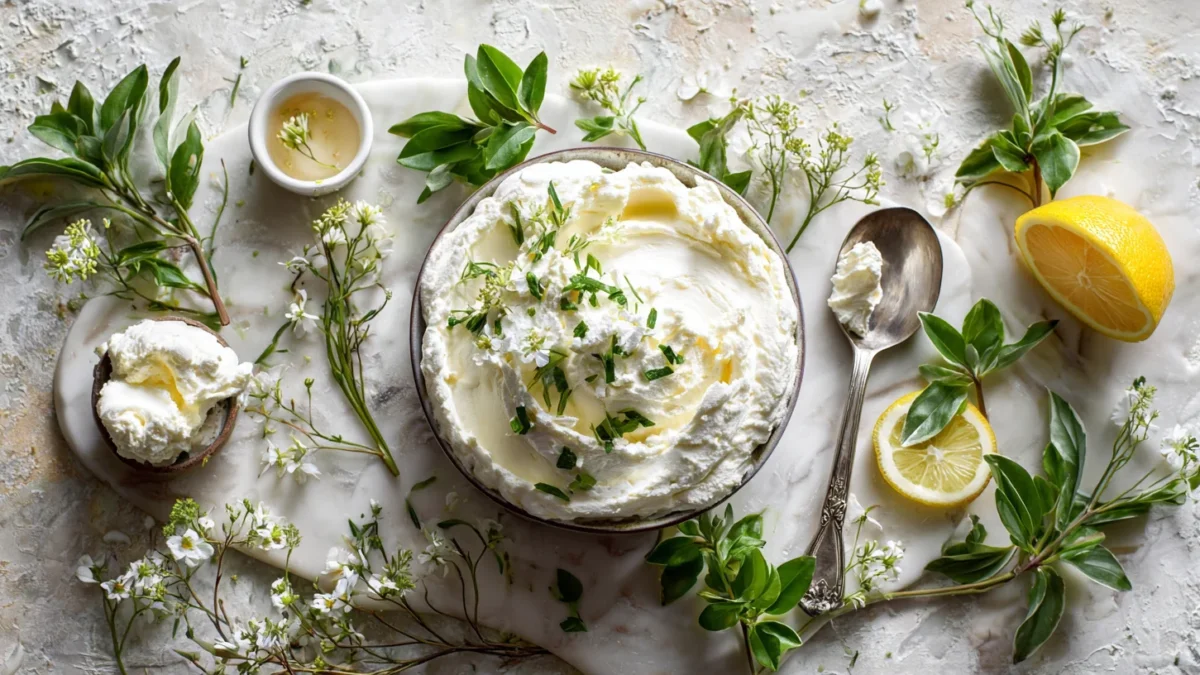
Cottage cheese ice cream is the rare dessert that actually delivers on its high-protein promise without tasting like a protein shake frozen into a sad block. This version blends full-fat cottage cheese with vanilla, a touch of honey, and real mix-ins until it’s indistinguishable from premium soft-serve — except each serving packs over 20 grams of protein and you don’t need an ice cream maker. The trick is blending the cheese until completely smooth, which gives you a rich, creamy base with no cream at all.
Why You’ll Love This Cottage Cheese Ice Cream
- 20g+ protein per serving — more than most protein bars, and it actually tastes like dessert.
- No ice cream maker needed — a food processor or high-speed blender does all the work in under 5 minutes.
- Endlessly customizable — stir in peanut butter, frozen berries, cocoa powder, or crushed cookies after blending.
- Kid-approved — most kids cannot tell this is made from cottage cheese once it’s frozen and topped with sprinkles.
- Meal-prep friendly — make a batch on Sunday and scoop all week.
Ingredients
The cottage cheese is the star here, and the type matters. Small-curd, full-fat varieties like Good Culture or Nancy's blend the smoothest. Large-curd cottage cheese can leave tiny lumps even after extended blending — not a dealbreaker, but if you want truly silky ice cream, small curd is the way to go. Avoid whipped cottage cheese; it has added air that changes the final texture.
- 2 cups (16 oz) full-fat cottage cheese (small curd) (full-fat gives the creamiest result; low-fat works but tastes leaner)
- 2 tsp pure vanilla extract
- 3-4 tbsp honey or maple syrup (adjust to taste; start with 3 tbsp and add more after blending)
- ⅛ tsp fine sea salt
- ½ cup mix-ins of choice (chopped strawberries, mini chocolate chips, crushed graham crackers, or swirl of peanut butter)
Equipment
- High-speed blender or food processor — a high-speed blender like Vitamix gives the smoothest result
- Freezer-safe container with a lid — a 9×5 loaf pan lined with parchment works perfectly
- Ice cream scoop
How to Make Cottage Cheese Ice Cream
Step 1 — Blend the base (3 minutes)
Add the cottage cheese, vanilla, honey, and salt to your blender or food processor. Blend on high for 2 full minutes, scraping down the sides halfway through. The mixture should be completely smooth with no visible curds. Taste and add more honey if you want it sweeter — remember, freezing dulls sweetness slightly, so make it a touch sweeter than you’d eat it fresh.
Step 2 — Add mix-ins (1 minute)
Pour the blended base into your freezer container. If you’re adding mix-ins, fold them in now with a spatula — don’t blend them in or you’ll turn the whole thing into a uniform color. For a swirl effect (peanut butter, jam, chocolate sauce), drizzle it over the top and drag a knife through in a figure-eight pattern.
Step 3 — Freeze until scoopable (4-6 hours)
Cover the container tightly and freeze for at least 4 hours, or until firm enough to scoop. For the best texture, let it sit at room temperature for 5-8 minutes before scooping. If you accidentally freeze it rock-solid, microwave in 10-second bursts until it softens slightly — or just blend it again for a soft-serve consistency.
Pro Tips
Blend longer than you think. Two full minutes minimum. Any tiny curd left behind will become an unpleasant icy speck in the finished ice cream.
Use full-fat cottage cheese. The fat is what makes this taste like real ice cream. Low-fat versions work but taste noticeably leaner and freeze harder.
Add a tablespoon of vodka or cream. Either one lowers the freezing point and keeps the texture softer straight from the freezer. The vodka flavor disappears entirely.
Press plastic wrap directly on the surface before putting the lid on. This prevents ice crystals from forming on top.
Try the ‘nice cream’ trick. Blend in one frozen banana with the cottage cheese before freezing. The banana adds natural sweetness and creates a softer, creamier texture that’s even closer to traditional ice cream. It also makes the base thicker, which helps mix-ins stay suspended instead of sinking to the bottom.
Variations & Substitutions
Chocolate Protein Version
Add 3 tablespoons of unsweetened cocoa powder and an extra tablespoon of honey to the blender. The cocoa masks any remaining cottage cheese flavor completely — this is the version to make for skeptics.
Strawberry Swirl
Blend ½ cup of frozen strawberries into the base before freezing, or layer fresh strawberry slices between scoops in the container for a ripple effect.
Peanut Butter Cup
Swirl 3 tablespoons of creamy peanut butter into the frozen base after the first hour of freezing, when it’s thickened but not yet solid. Fold in ¼ cup of mini chocolate chips.
Tiramisu Style
Add 1 tablespoon of instant espresso powder and 1 teaspoon of cocoa powder to the blender. After freezing, layer the ice cream with ladyfinger cookies soaked in cold coffee for a high-protein tiramisu that no one will believe started with cottage cheese.
Storage & Reheating
Freezer: Keeps well for up to 2 weeks in an airtight container. Press plastic wrap directly onto the surface before sealing the lid to prevent freezer burn.
Texture tip: This ice cream freezes harder than dairy-based ice cream because there’s no cream or egg yolk to keep it soft. Let it temper at room temperature for 5-8 minutes before scooping, or give it a quick 10-second burst in the microwave.
Refreezing: If it melts completely, you can re-blend and re-freeze it, but the texture will be slightly icier the second time around.
What to Serve With Cottage Cheese Ice Cream
Scoop this frozen treat into a bowl and top with fresh berries, a drizzle of honey, or crushed pistachios for a simple weeknight dessert. It also pairs beautifully alongside our fluffy buttermilk pancakes for a weekend breakfast that feels indulgent yet packs serious protein.
For a more substantial dessert, serve a scoop next to a slice of our homemade margherita pizza dinner leftovers — the sweet creaminess after a savory meal is a surprisingly good combination. Kids especially love it.
If you’re meal-prepping desserts for the week, this ice cream sits perfectly next to our high-protein chicken burrito bowl in the freezer — both are high-protein options that make weekday eating feel less like a compromise.
Nutrition Information
Per serving (½ cup, approximately 1 of 4 servings): approximately 160 calories, 22g protein, 12g carbohydrates, 3g fat, 0g fiber. Values are estimates and depend on the specific cottage cheese brand and sweetener used.
Frequently Asked Questions
Does cottage cheese ice cream taste like cottage cheese?
Not if you blend it properly. A high-speed blender eliminates all curd texture, and the vanilla and honey mask any tanginess. Most people in blind taste tests cannot identify the base. If you’re nervous, start with the chocolate version — cocoa completely hides it.
Can I use low-fat or fat-free cottage cheese?
You can, but the texture will be icier and less creamy. Full-fat cottage cheese has enough fat to mimic the mouthfeel of real ice cream. If you do use low-fat, add a tablespoon of cream or half-and-half to compensate.
How do I make it without a high-speed blender?
A food processor works nearly as well — just blend for an extra minute. A regular countertop blender can work too, but you may need to stop and scrape the sides several times. Straining the mixture through a fine-mesh sieve after blending catches any remaining curds.
Is this ice cream good for meal prep?
Absolutely. Make a full batch on Sunday and portion it into individual containers. It scoops best after sitting out for 5-8 minutes, so plan ahead if you’re packing it for lunch. It keeps for up to 2 weeks in the freezer.
Can I add protein powder to boost the protein even more?
Yes — add 1 scoop (about 25g) of vanilla or unflavored protein powder when blending. Increase the honey by a tablespoon since most protein powders have a slight bitter aftertaste. This can push the protein per serving to 35-40g. Healthline has a detailed breakdown of the nutrition benefits if you want to dive deeper.
What makes this different from regular ice cream in terms of nutrition?
The biggest difference is the protein content. A typical serving of store-bought ice cream has 3-5g of protein; this version delivers 22g. It’s also lower in sugar, especially if you control the honey amount, and the cottage cheese provides calcium and probiotics that regular ice cream lacks. You also avoid the stabilizers and emulsifiers found in most commercial brands.
If you try this frozen dessert, let us know in the comments what mix-ins you used — we are always looking for new flavor combinations. The chocolate version is our household’s default, but the strawberry swirl is a close second. Save this recipe for the next time you want dessert without the sugar crash. Your future self will thank you on a hot weeknight.